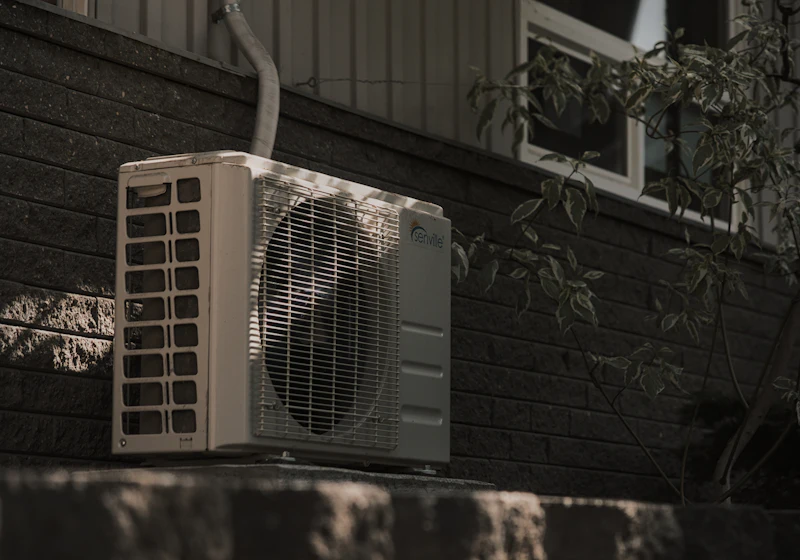


The right capacity is the difference between a comfortable room with a sensible electricity bill, and a unit that runs non-stop and never quite cools. This guide explains how capacity is estimated and what changes the calculation.
HP and BTU: what is the difference?
In Israel air conditioner capacity is usually quoted in HP (“horsepower”), which in practice is a familiar label for a cooling capacity class. The more precise measure is BTU: how much heat the unit can remove from the room per hour. Most manufacturers list both figures on the product page.
Capacity by room area
| Capacity | Approx. BTU | Approx. area |
|---|---|---|
| 1 HP | 9,000 | up to 15 m² |
| 1.25 HP | 11,000 | 15 to 19 m² |
| 1.5 HP | 13,000 | 19 to 22 m² |
| 2 HP | 18,000 | 22 to 31 m² |
| 2.5 HP | 22,000 | 31 to 38 m² |
| 3 HP | 24,000–27,000 | 38 to 45 m² |
| Larger spaces | By design | Ducted system or several units |
The table assumes an ordinary room without unusual sun exposure. Real figures vary between manufacturers and models, so treat it as a starting point rather than a substitute for an inspection.
What changes the calculation?
- Sun exposure: a room with direct sun, especially from the south or west, needs more capacity.
- Top floor or roof: heat from the roof loads the unit all day long.
- Large windows: glass transfers heat, particularly older windows and full-height glazing.
- Open kitchen: an oven, hob and appliances add heat to the space.
- High ceiling: more air volume to cool for the same floor area.
- People and equipment: a home office with computers, or a living room that hosts guests, heats up faster.
What happens when the capacity is wrong?
Too weak
- Never reaches the set temperature on hot days
- Runs constantly at full load
- Uses more electricity and wears out faster
Too strong
- Cools quickly, shuts off, then starts again
- Does not dehumidify properly, so the room feels damp
- Costs more to buy with no real benefit
Inverter: why it matters
An inverter unit varies compressor speed as needed instead of switching on and off. That keeps the temperature steady, makes it quieter and usually uses less electricity. An inverter is also more forgiving when the capacity is slightly higher than needed, because it can run at low output.
Split, ducted or multi-split?
- Wall-mounted split: for a single room. The common, simplest option to install.
- Ducted (mini-central): a hidden unit distributing air through ducts to several rooms. Quiet and even, but needs planning ahead.
- Multi-split: one outdoor unit serving several indoor units, when there is no room for multiple condensers.
Work it out yourself
Our capacity calculator lets you enter the room area, its type and its conditions, and gives an initial estimate in seconds. The final recommendation comes after we see the space.
Want an exact recommendation for your room?
Tell us about the space and we will recommend a suitable system type and capacity.